
31 Mar Transgender Healthcare Matters: The Role of Pelvic Health Physiotherapy
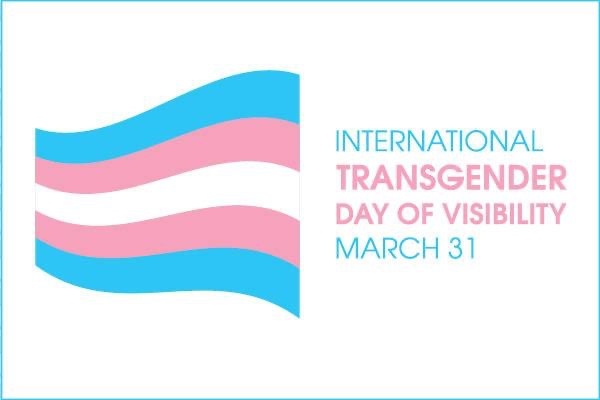
March 31 marks International Transgender Day of Visibility, a day that celebrates transgender and gender diverse individuals while also raising awareness about the barriers many still face in accessing safe and respectful healthcare. Visibility is not only about recognition; it is also about improving understanding, education, and access to appropriate healthcare services.
For many transgender individuals, seeking healthcare can be challenging. Previous negative experiences, fear of discrimination, or encountering providers who lack knowledge about transgender health needs can lead people to delay or avoid medical care altogether. Creating inclusive healthcare environments is therefore essential to ensure everyone can access the care they need with dignity and respect.
Understanding Transgender and Gender Diverse Identities
The term transgender is used to describe individuals whose gender identity differs from the sex they were assigned at birth. Some individuals may identify as transgender men, transgender women, non-binary, or gender diverse. Each person’s experience is unique, and healthcare needs may vary depending on factors such as hormone therapy, surgical history, and personal health concerns.
Providing respectful care begins with acknowledging and respecting each individual’s identity. Simple practices such as using correct names and pronouns, maintaining open communication, and avoiding assumptions about anatomy or healthcare needs can make a significant difference in creating a supportive clinical environment.
Why Inclusive Healthcare Matters
Research and community reports consistently show that transgender individuals experience significant disparities in healthcare access. These may include:
- Limited availability of knowledgeable healthcare providers
- Fear of stigma or discrimination in medical settings
- Lack of education among health professionals regarding transgender health
- Delayed diagnosis or treatment due to avoidance of healthcare services
When healthcare environments are inclusive and informed, patients are more likely to seek care early, discuss concerns openly, and receive timely treatment.
The Role of Pelvic Health Physiotherapy in Transgender Healthcare
Pelvic health physiotherapy is an important but often overlooked area of care for transgender and gender diverse individuals. The pelvic floor is involved in bladder control, bowel function, sexual health, and core stability, and these functions can be affected by a variety of factors, including surgery, hormone therapy, chronic pain conditions, and musculoskeletal changes.
Pelvic health physiotherapists may support transgender individuals with concerns such as:
- Pelvic pain
- Bladder urgency, frequency, or leakage
- Bowel dysfunction
- Pain with penetration or intimacy
- Preparation for and recovery after gender-affirming surgeries
- Vaginal dilation programs following vaginoplasty
- Core and pelvic floor rehabilitation
These concerns can have a profound impact on quality of life, yet they are often under-discussed due to stigma or lack of awareness.
Gender-Affirming Surgical Rehabilitation
For individuals undergoing gender-affirming procedures such as vaginoplasty or phalloplasty, pelvic health physiotherapy can play an important role in rehabilitation and recovery. Physiotherapists may assist with:
- Education about pelvic floor relaxation and coordination
- Guidance with dilation programs when required
- Pain management strategies
- Scar management and tissue mobility
- Return to physical activity and exercise
This support can help individuals recover more comfortably and regain confidence in their bodies following surgery.
Creating Safe Transgender Healthcare Spaces
Inclusive healthcare is not only about clinical knowledge; it also involves creating environments where patients feel respected and safe. This may include:
- Using inclusive language on intake forms
- Asking about preferred names and pronouns
- Providing private and respectful consultations
- Ensuring staff are trained in culturally competent care
- Listening to patients’ experiences without judgement
Small changes in practice can have a significant impact on whether individuals feel comfortable accessing care.
Moving Toward More Inclusive Care
International Transgender Day of Visibility is an opportunity for healthcare providers and communities to reflect on how healthcare systems can become more inclusive. Improving education, reducing stigma, and increasing awareness of transgender health needs are important steps toward ensuring equitable healthcare for all individuals.
Pelvic health is an essential component of overall well-being. By providing respectful, evidence-based care and fostering supportive clinical environments, healthcare professionals can help ensure that transgender and gender diverse individuals receive the care they deserve.
Creating inclusive healthcare is not only good practice; it is fundamental to delivering compassionate and effective healthcare for everyone.
Accessing Transgender Healthcare at Western Womens and Mens Health
At Western Women’s and Men’s Health, we recognise the importance of creating a safe and inclusive environment for transgender and gender diverse people seeking care. We understand that accessing healthcare can sometimes feel daunting, and our team is here to listen, support and have open conversations about your health needs in a way that feels affirming and respectful.